

Industrial power systems play a critical role in ensuring uninterrupted operations across manufacturing facilities, data centers, telecommunications networks, utility plants, and commercial buildings. Many of these systems depend on batteries to provide backup power during outages, voltage fluctuations, or emergency situations. However, batteries naturally degrade over time, making regular monitoring essential for maintaining reliability.
This is where Battery Testing Equipment becomes indispensable. By accurately evaluating battery condition and performance, organizations can identify potential issues before they result in costly failures. Investing in high-quality battery testing solutions helps improve maintenance efficiency, enhance safety, and ensure continuous operation of critical power systems.
Understanding the Role of Batteries in Industrial Power Systems
Batteries serve as the backbone of many backup power applications. They provide temporary power when the primary source becomes unavailable, helping prevent operational disruptions.
Industrial batteries are commonly used in:
- Uninterruptible Power Supply (UPS) systems
- Telecommunications infrastructure
- Data centers
- Electrical substations
- Manufacturing facilities
- Emergency lighting systems
- Renewable energy storage systems
A battery failure in any of these environments can lead to downtime, productivity losses, equipment damage, and increased operational costs. Regular battery testing is therefore essential to ensure these systems remain dependable.
What Is Battery Testing Equipment?
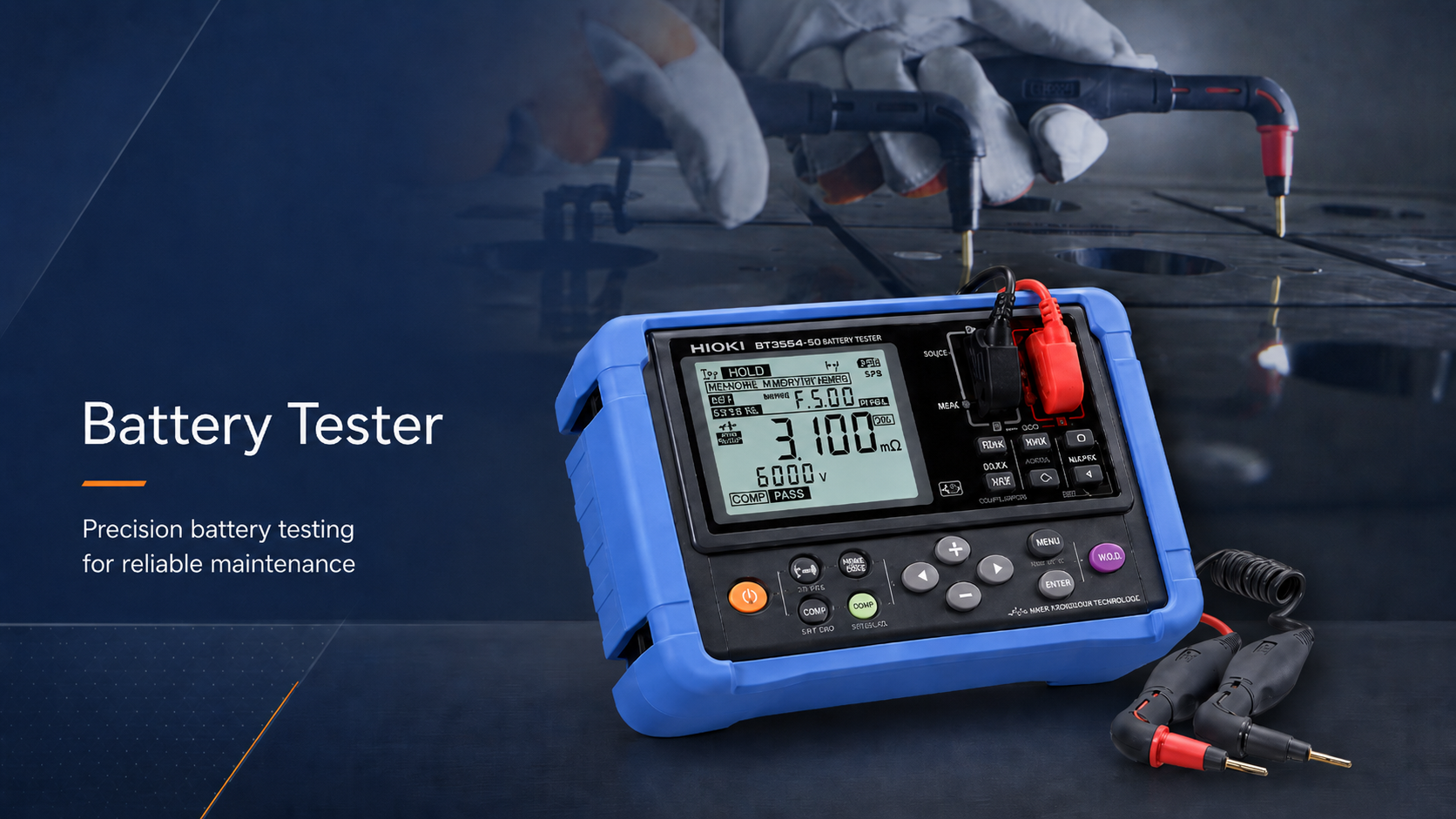
Battery Testing Equipment consists of specialized instruments designed to assess battery health, performance, and operational readiness. These devices help maintenance professionals evaluate critical battery parameters such as:
- Voltage
- Internal resistance
- Impedance
- Capacity
- Conductance
- Overall battery condition
Modern battery testers provide accurate diagnostic information that enables organizations to make informed maintenance decisions and prevent unexpected failures.
Why Regular Battery Testing Is Important
Early Detection of Battery Issues
Many battery problems develop internally and may not show visible signs until a failure occurs. Regular testing helps identify issues such as:
- Internal deterioration
- Increased resistance
- Capacity loss
- Cell imbalance
- Aging-related degradation
Detecting these problems early allows maintenance teams to address them before they impact system performance.
Minimizing Unexpected Downtime
Industrial facilities rely on continuous power availability. A failed battery can disrupt critical operations and lead to significant financial losses. Routine testing helps identify weak batteries before they fail, reducing the risk of unexpected downtime.
Extending Battery Service Life
Accurate battery monitoring enables organizations to optimize maintenance schedules and operating conditions. This proactive approach can extend battery lifespan and maximize the return on investment.
Improving Power System Reliability
Reliable backup power systems are essential for operational continuity. Regular battery testing helps ensure batteries remain capable of delivering the required power during emergencies.
Common Battery Failures in Industrial Environments
Several factors can affect battery performance over time:
Corrosion
Corroded terminals can increase electrical resistance and reduce overall efficiency.
Overcharging
Excessive charging can generate heat and accelerate battery degradation.
Deep Discharge
Repeated deep discharge cycles can significantly shorten battery life.
Temperature Variations
Extreme temperatures can negatively impact battery performance and longevity.
Internal Component Wear
Natural aging causes battery components to deteriorate, reducing capacity and efficiency.
Using professional battery testing equipment helps maintenance teams identify these issues before they compromise system reliability.
Benefits of Using Battery Testing Equipment
Enhanced Reliability
Regular battery assessments ensure backup systems remain ready to perform when needed.
Improved Safety
Failing batteries may create safety risks such as overheating, leakage, or electrical hazards. Testing helps identify potential issues early.
Reduced Maintenance Costs
Instead of replacing entire battery banks unnecessarily, organizations can use testing data to replace only defective units.
Better Maintenance Planning
Battery health data supports predictive maintenance strategies and helps maintenance teams allocate resources more effectively.
Increased Operational Efficiency
Reliable batteries contribute to improved equipment uptime and uninterrupted operations.
The Importance of Battery Impedance Testing
Battery impedance testing is one of the most effective methods for evaluating battery condition. Advanced Battery Impedance Meters can measure internal resistance and identify deteriorating cells before failures occur.
Benefits of impedance testing include:
- Fast and accurate diagnostics
- Early fault detection
- Non-invasive testing procedures
- Improved maintenance planning
- Support for predictive maintenance programs
For organizations managing large battery banks, impedance testing provides valuable insights into overall battery health and performance.
Applications of Battery Testing Equipment
UPS Systems
UPS batteries must function instantly during power outages. Regular testing ensures they remain capable of supporting critical loads.
Data Centers
Continuous power availability is essential for protecting sensitive data and maintaining uninterrupted services.
Telecommunications Networks
Reliable battery backup helps communication networks remain operational during power disruptions.
Power Utilities
Battery systems are widely used in substations and control systems, where reliability is crucial for grid stability.
Manufacturing Facilities
Industrial production environments depend on stable power systems to avoid costly interruptions and production delays.
Choosing the Right Battery Testing Equipment
Selecting the right testing solution depends on several factors:
Measurement Accuracy
Reliable diagnostics require precise and repeatable measurements.
Ease of Operation
User-friendly instruments improve testing efficiency and reduce the likelihood of errors.
Data Logging Capabilities
Advanced testers can store and analyze historical data, supporting long-term maintenance planning.
Battery Compatibility
The equipment should support the battery technologies used within the facility.
Durability
Industrial environments require robust instruments capable of operating in demanding conditions.
Supporting Predictive Maintenance Programs
Predictive maintenance aims to identify problems before failures occur. Battery testing equipment plays a key role in this approach by providing real-time insights into battery performance and degradation trends.
With regular testing, organizations can:
- Monitor battery condition over time
- Predict potential failures
- Optimize replacement schedules
- Improve asset management
- Reduce maintenance costs
These benefits contribute to more efficient and reliable industrial operations.
Why Choose NASCO Naser Al Sayer & Co. L.L.C. for Battery Testing Equipment
NASCO Naser Al Sayer & Co. L.L.C. offers advanced Battery Testing Equipment from leading brands such as Hioki. These solutions help industrial facilities, data centers, telecommunications networks, and utility providers maintain battery performance, improve reliability, and support predictive maintenance programs.
By providing reliable testing technologies from globally recognized manufacturers, NASCO helps organizations strengthen their maintenance programs, improve power system reliability, and reduce the risk of unexpected battery failures.
Conclusion
Batteries are a critical component of industrial power systems, but their performance can decline over time without proper monitoring. Investing in professional Battery Testing Equipment enables organizations to detect issues early, improve safety, reduce downtime, and extend battery life.
Regular battery testing is an essential part of any preventive maintenance strategy. With advanced battery testing solutions from NASCO Naser Al Sayer & Co. L.L.C., businesses can improve operational reliability and ensure their critical power systems remain ready to perform whenever they are needed.