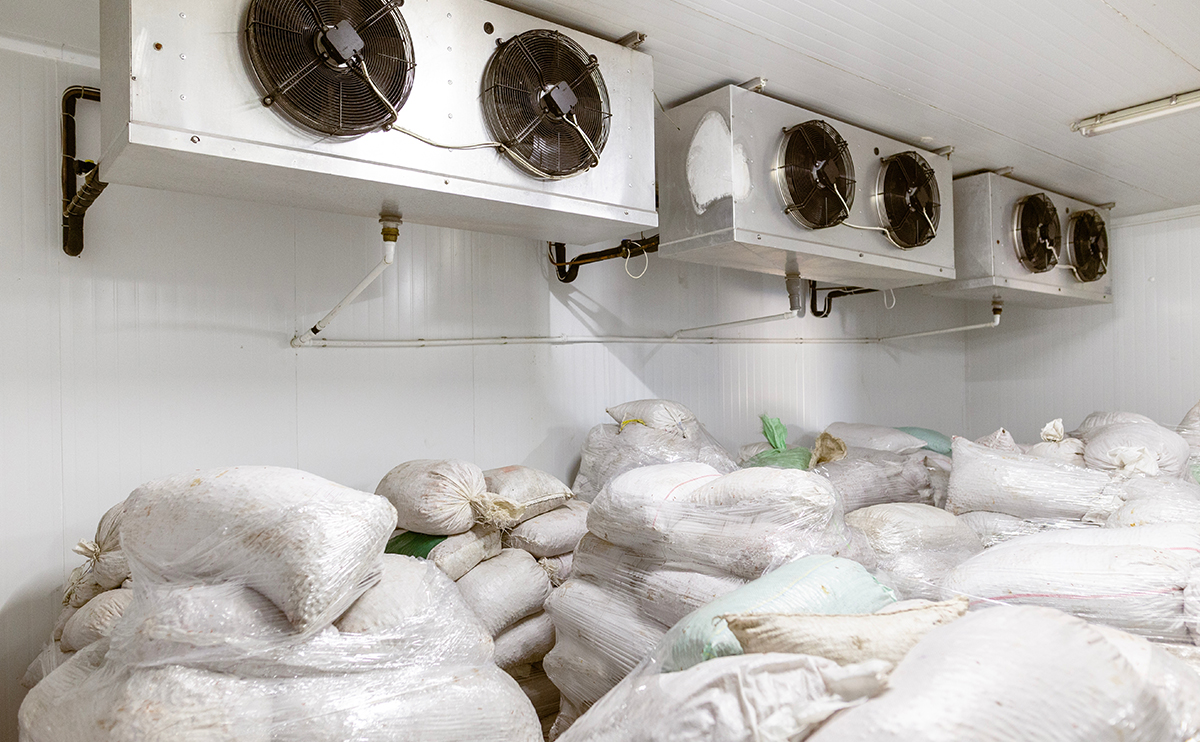
Condensing units are an important part of commercial and industrial refrigeration systems. They help remove heat from the refrigerant and support the continuous cooling cycle required by applications such as cold rooms, freezers, supermarkets, food storage facilities, display refrigeration, and industrial cooling systems.
Among the different options available, air-cooled and water-cooled condensing units are two widely used configurations. Although both perform the essential function of rejecting heat from the refrigeration system, they use different methods to achieve it. The right choice depends on factors such as the application, cooling capacity, installation environment, ambient conditions, available space, water supply, and maintenance requirements.
For businesses sourcing refrigeration equipment, understanding the difference between these two types can make it easier to select a suitable solution. As an established refrigeration equipment provider, NASCO Naser Al Sayer & Co. L.L.C. offers both air-cooled and water-cooled condensing unit solutions for different commercial and industrial requirements.
What Is a Condensing Unit?
A condensing unit is a key component of a refrigeration system that generally includes a compressor, condenser, and other associated components. Its primary function is to reject the heat absorbed by the refrigerant during the refrigeration cycle.
The compressor circulates the refrigerant through the system, while the condenser removes heat from the refrigerant and allows it to change from a high-temperature gas into a liquid. The refrigerant can then continue through the refrigeration system to absorb more heat.
The method used to remove this heat is what mainly differentiates air-cooled and water-cooled condensing units.
How Do Air-Cooled Condensing Units Work?
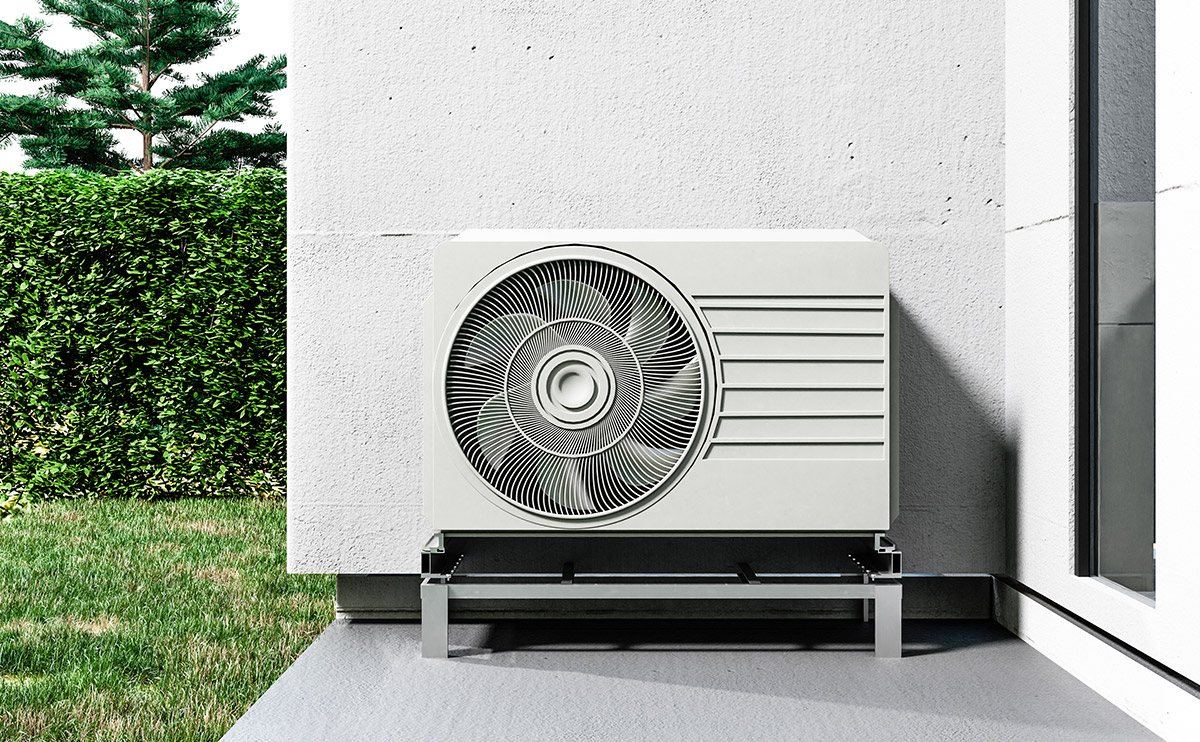
An air-cooled condensing unit uses ambient air to remove heat from the refrigerant. A condenser coil and fan work together to transfer heat from the refrigerant into the surrounding air.
The condenser fan moves air across the condenser coil, allowing heat to dissipate. Because the system relies on airflow, the location of the unit and the condition of the condenser coil can have a significant effect on performance.
Air-cooled systems can be suitable for installations where sufficient ventilation and space are available. They do not require a dedicated water circuit for heat rejection, which can make them practical for many commercial refrigeration applications.
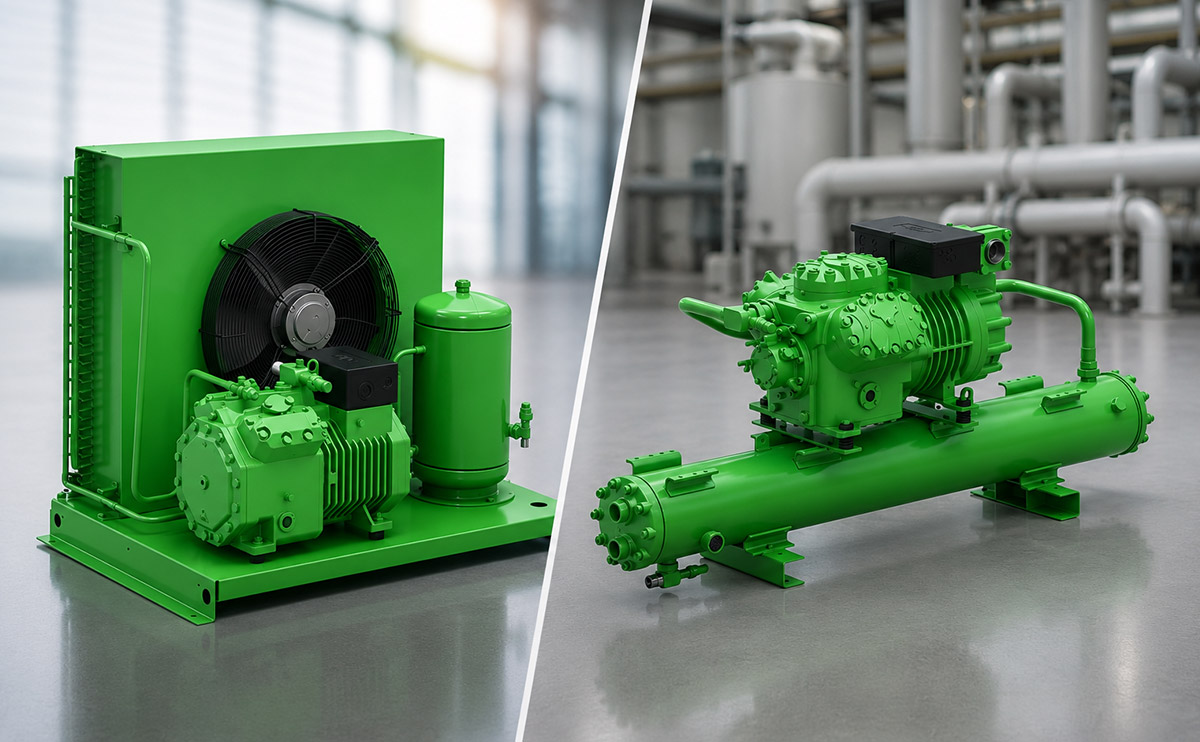
NASCO offers a range of air-cooled condensing units, including solutions from established manufacturers such as Bitzer and Tecumseh, with different models available for varying refrigeration requirements.
How Do Water-Cooled Condensing Units Work?
A water-cooled condensing unit uses water to remove heat from the refrigerant. Instead of relying primarily on ambient air and a condenser fan, heat is transferred through a water-cooled condenser.
Water circulates through the condenser and absorbs heat from the refrigerant. This allows the refrigerant to continue through the refrigeration cycle while the absorbed heat is carried away through the water circuit.
Water-cooled systems can be considered for applications where an appropriate water supply and supporting infrastructure are available. They can also be useful in environments where the installation conditions make air-based heat rejection less suitable.
NASCO’s water-cooled condensing unit range includes Bitzer models designed for different refrigeration applications.
Air-Cooled vs. Water-Cooled Condensing Units
The main difference between the two systems is the method used for heat rejection.
Air-cooled units transfer heat to the surrounding air, while water-cooled units transfer heat through water. This difference affects installation requirements, maintenance, operating conditions, and suitability for particular applications.
Air-cooled units can be a practical option where adequate outdoor space and airflow are available. Their maintenance typically focuses on keeping condenser coils clean and ensuring that fans and airflow paths remain unobstructed.
Water-cooled units require a suitable water circuit and regular attention to water flow and heat-transfer components. Water quality can also be an important consideration because mineral deposits, scale, or corrosion may affect the efficiency of heat transfer.
Neither option is universally better than the other. The appropriate choice depends on the specific refrigeration application.
Applications of Air-Cooled Condensing Units
Air-cooled condensing units can be used across various commercial and industrial refrigeration applications. They may be suitable for cold rooms, supermarkets, restaurants, commercial kitchens, display cabinets, food storage facilities, and other systems where adequate airflow is available.
They can be particularly practical where installing and maintaining a water circuit would not be convenient.
However, ambient temperature should be considered when selecting an air-cooled system. High surrounding temperatures can affect the ability of the condenser to reject heat, making correct equipment selection and adequate ventilation important.
Applications of Water-Cooled Condensing Units
Water-cooled condensing units can be suitable for commercial and industrial refrigeration applications where a reliable water supply and appropriate infrastructure are available.
They can be considered for larger refrigeration installations, industrial facilities, food processing environments, cold storage applications, and other systems where water-based heat rejection is appropriate.
The availability, temperature, flow, and quality of the water should be evaluated before selecting a water-cooled system. Proper water management is important for maintaining efficient heat transfer over the operating life of the equipment.
Maintenance Requirements
Both types of condensing units require regular maintenance, although the specific requirements differ.
For air-cooled units, condenser coil cleaning is particularly important. Dust, dirt, grease, and other contaminants can accumulate on the coil and restrict airflow. The condenser fan should also be checked regularly to ensure that it operates correctly.
For water-cooled units, maintenance includes checking water flow, inspecting connections, monitoring the condition of the water circuit, and looking for scales or deposits that could affect heat transfer.
For both systems, technicians should also monitor compressor performance, electrical connections, refrigerant conditions, operating temperatures, and system pressures.
Preventive maintenance can help identify developing problems before they result in unexpected refrigeration downtime.
Factors to Consider When Choosing a Condensing Unit
Choosing between an air-cooled and water-cooled condensing unit requires more than simply comparing the two designs. The equipment should be selected according to the specific requirements of the refrigeration system.
Cooling capacity is one of the most important considerations. The condensing unit must be capable of handling the refrigeration load of the application.
Installation environment is another important factor. Air-cooled units require adequate airflow and suitable space around the condenser, while water-cooled units require an appropriate water supply and supporting infrastructure.
Ambient conditions should also be considered. High ambient temperatures can influence air-cooled system performance, while water temperature and water quality can influence water-cooled systems.
Businesses should also consider operating temperatures, refrigerant requirements, electrical specifications, maintenance requirements, available space, and expected operating hours.
Working with an experienced Condensing Unit Supplier can help businesses evaluate these factors before selecting equipment.
Bitzer and Tecumseh Condensing Unit Options
Manufacturer selection can also play a role when choosing refrigeration equipment. Established manufacturers offer different models designed for specific capacities and operating requirements.
Bitzer provides condensing unit solutions covering both air-cooled and water-cooled configurations. NASCO’s product range includes Bitzer condensing units for different refrigeration applications.
Tecumseh also offers compressors and condensing units for commercial and domestic refrigeration and air-conditioning requirements. NASCO supplies Tecumseh solutions as part of its refrigeration product range.
The brand alone should not determine the final selection. Businesses should compare the technical specifications of individual models and ensure that the selected unit matches the refrigeration system’s requirements.
Why Proper Installation Matters
Even a high-quality condensing unit may not perform as expected if it is incorrectly installed.
Air-cooled units should have sufficient clearance around the condenser to allow effective airflow. The discharge of hot air should also be considered when determining the installation location.
Water-cooled systems require correctly designed water connections and suitable flow conditions. The water circuit should be installed and maintained according to the equipment requirements.
Refrigerant piping, electrical connections, controls, and other components should also be installed correctly. Professional installation helps ensure that the condensing unit operates according to its intended specifications.
Choosing the Right Condensing Unit Supplier
Selecting a suitable supplier is an important part of sourcing refrigeration equipment. Businesses should consider product availability, manufacturer options, technical specifications, replacement components, and support when evaluating a supplier.
At NASCO Naser Al Sayer & Co. L.L.C., we provide refrigeration and HVAC equipment for commercial and industrial applications. Our condensing unit range includes both air-cooled and water-cooled solutions, allowing customers to consider different options based on their refrigeration requirements.
Our product range includes solutions from established manufacturers such as Bitzer and Tecumseh. By considering factors such as cooling capacity, application, operating conditions, and installation environment, businesses can select a condensing unit that is appropriate for their system.
Conclusion
Air-cooled and water-cooled condensing units both provide effective methods of heat rejection for refrigeration systems, but their operating principles and installation requirements are different.
Air-cooled units rely on ambient air and proper airflow, making them suitable for applications where adequate ventilation and installation space are available. Water-cooled units use a water circuit for heat rejection and can be appropriate where suitable water infrastructure is available.
The right choice depends on the refrigeration load, operating environment, available resources, installation conditions, and maintenance requirements. Selecting equipment from established manufacturers such as Bitzer and Tecumseh and ensuring proper installation and preventive maintenance can further support reliable system performance.
For businesses looking for a Condensing Unit Supplier, NASCO Naser Al Sayer & Co. L.L.C. offers air-cooled and water-cooled condensing unit solutions for a wide range of commercial and industrial refrigeration requirements.
Frequently Asked Questions (FAQs)
Air-cooled condensing units are generally simpler to install because they do not require a separate water circuit, cooling tower, or associated water-management equipment. Water-cooled systems may require additional infrastructure depending on the installation design.
Yes, an air-cooled condensing unit can be installed indoors when the space provides sufficient ventilation and a suitable method for removing the rejected heat. Poor ventilation can cause hot air to accumulate and reduce system performance.
It depends on the type of water-cooling arrangement used. Some systems use recirculating water, while others may involve water consumption through cooling towers or other heat-rejection arrangements. The specific equipment design should therefore be considered.
Humidity itself is not usually the primary selection factor, but high ambient conditions combined with poor airflow can influence heat rejection. The local climate and expected operating conditions should be considered when sizing an air-cooled unit.
Insufficient water flow can reduce heat transfer and cause condensing temperatures and pressures to rise. This may reduce refrigeration efficiency and potentially lead to operational problems if the condition is not corrected.
Not necessarily. Condensing units are selected according to factors such as refrigeration capacity, evaporating and condensing temperatures, refrigerant, compressor characteristics, and electrical requirements. A unit suitable for one application may not be appropriate for another.
Useful information includes the required cooling capacity, application type, desired temperature range, refrigerant, evaporating temperature, condensing conditions, power supply, installation location, and expected operating conditions. Providing accurate system information helps suppliers recommend a suitable model.
Yes. Condensing units are available for different temperature applications, including low-temperature refrigeration. However, the selected compressor and condensing unit must be properly matched to the required operating conditions and refrigeration load.
Signs can include unusually high operating pressures, inadequate cooling, excessive energy consumption, abnormal compressor operation, frequent cycling, or higher-than-expected discharge temperatures. Professional inspection can help determine the underlying cause.
No. Horsepower alone does not provide enough information to select a condensing unit. Refrigeration capacity at the required operating conditions, refrigerant type, temperature requirements, and other system parameters should also be evaluated.
The service life varies depending on equipment quality, operating conditions, installation, load, maintenance, and usage. Regular preventive maintenance and operation within the manufacturer’s specified conditions can help support reliable long-term performance.
A replacement from another manufacturer may be possible, but compatibility should be evaluated carefully. Compressor capacity, refrigerant, electrical specifications, controls, piping requirements, and operating conditions should all be checked before replacement.