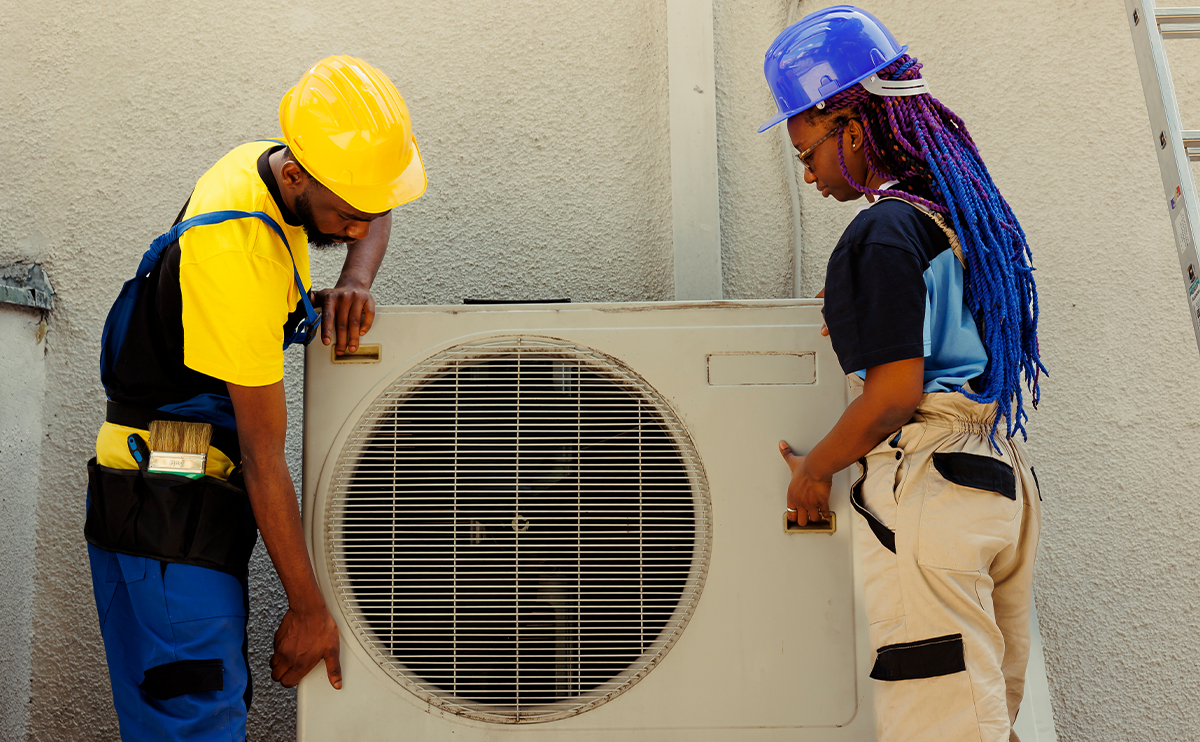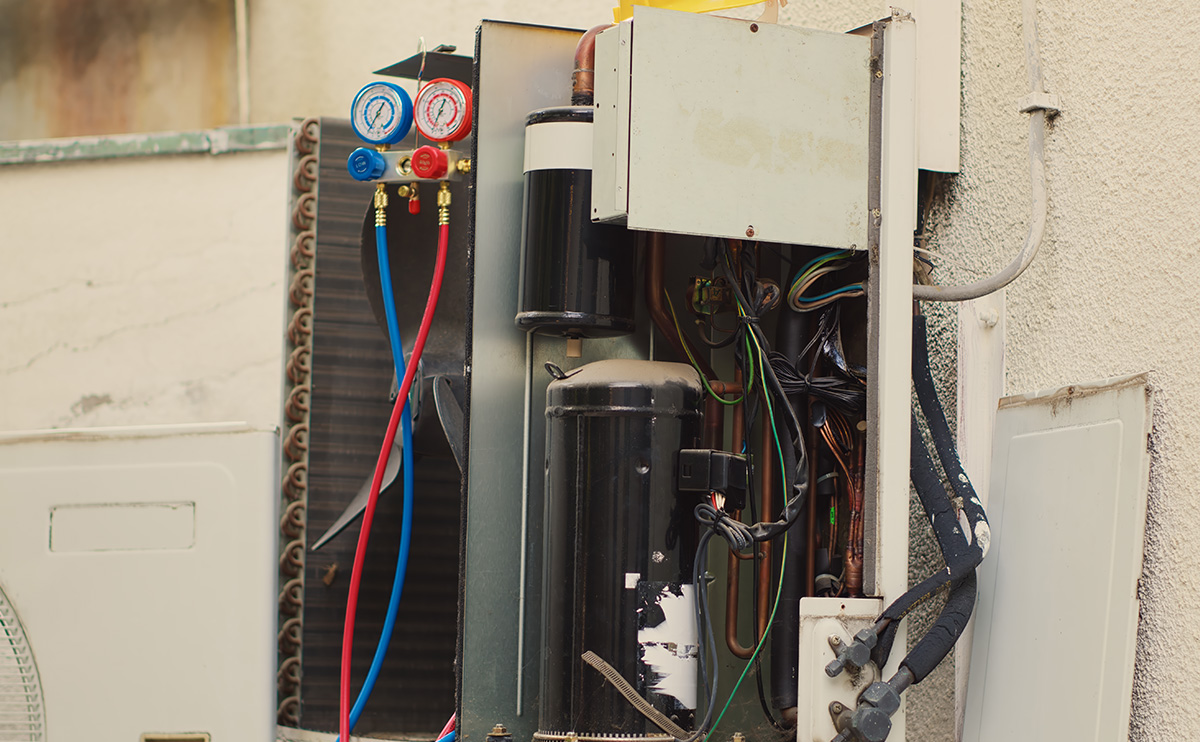
A refrigeration compressor is one of the most important components in any commercial or industrial refrigeration system. It circulates refrigerant through the system, allowing heat to be removed and the required temperature to be maintained. From cold rooms and supermarkets to restaurants, food processing facilities, and other temperature-controlled applications, reliable compressor operation is essential for maintaining consistent cooling performance.
Compressor failure does not always happen suddenly. In many cases, issues such as inadequate lubrication, incorrect refrigerant levels, electrical faults, overheating, liquid refrigerant return, or poor maintenance can gradually affect compressor performance and eventually lead to failure. When this happens, the entire refrigeration system can lose its cooling capability, resulting in product losses, operational delays, and expensive repairs. With refrigeration equipment and components supplied by NASCO Naser Al Sayer & Co. L.L.C. being used across various applications, understanding the factors that affect compressor reliability is important for proper equipment selection, operation, and maintenance.
Understanding the common causes of refrigeration compressor failure can help businesses identify potential problems early, take preventive measures, and maintain reliable refrigeration performance. Regular maintenance and proper system operation can also help extend compressor service life and reduce the risk of unexpected breakdowns.
Common Causes of Refrigeration Compressor Failure
1. Inadequate Lubrication
Proper lubrication is essential for reducing friction between the compressor’s internal moving components. Insufficient, contaminated, or incorrect compressor oil can increase friction and cause excessive wear.
Low oil levels may result from oil migration, leaks, or incorrect oil return within the refrigeration system. Over time, inadequate lubrication can increase operating temperatures and cause serious internal damage.
How to prevent it: Check oil levels regularly and use the lubricant recommended for the specific compressor and refrigerant. Technicians should also investigate unusual oil loss rather than simply adding more oil.
2. Refrigerant Overcharge or Undercharge
The amount of refrigerant in a system directly affects compressor performance. An undercharged system may struggle to maintain the required cooling temperature, while an overcharged system can increase system pressure and place additional stress on the compressor.
Incorrect refrigerant charging can also affect superheat, subcooling, and refrigerant return to the compressor.
How to prevent it: Always charge the refrigeration system according to the manufacturer’s specifications. Technicians should use appropriate pressure and temperature measurements to verify that the system is operating within the recommended range.
3. Liquid Refrigerant Returning to the Compressor
Compressors are designed primarily to compress refrigerant vapor. If liquid refrigerant enters the compressor, it can cause a condition commonly known as liquid slugging. Because liquids are difficult to compress, this can damage valves, pistons, bearings, and other internal components.
Liquid floodback can occur because of incorrect expansion valve adjustment, low evaporator load, improper system design, or other operating conditions.
How to prevent it: Maintain proper superheat and ensure that the expansion device is correctly selected and adjusted. Regularly check operating conditions to reduce the possibility of liquid refrigerant entering the compressor.
4. Compressor Overheating
Excessive compressor temperature is another common cause of failure. High condensing temperatures, inadequate cooling, low refrigerant charge, excessive compression ratios, or poor airflow can contribute to overheating.
Continuous operation at elevated temperatures can degrade compressor oil and insulation and accelerate wear on internal components.
How to prevent it: Monitor suction and discharge pressures, operating temperatures, and condenser performance. Keep condensers clean and ensure adequate airflow around the refrigeration equipment.
5. Electrical Problems
Electrical faults can cause severe damage to refrigeration compressors. Voltage fluctuations, phase imbalance, loose electrical connections, short circuits, and incorrect voltage can place excessive stress on the compressor motor.
Repeated electrical problems can eventually result in motor winding failure.
How to prevent it: Regularly inspect electrical connections and monitor voltage levels. Appropriate protection devices can also help protect refrigeration compressors from electrical abnormalities.
6. Dirty or Blocked Condensers
The condenser is responsible for releasing heat from the refrigerant. When dirt, dust, or debris builds up on the condenser coil, heat transfer becomes less efficient. This can increase condensing pressure and force the compressor to work harder.
In demanding environments, particularly where equipment is exposed to dust or high ambient temperatures, condenser cleanliness becomes especially important.
How to prevent it: Include condenser cleaning in routine maintenance schedules. Make sure fans are operating correctly and that there is sufficient airflow around the condenser.
7. Contaminated Refrigeration System
Moisture, dirt, air, and other contaminants can enter a refrigeration system during installation, servicing, or component replacement. These contaminants can affect refrigerant flow, damage components, and contribute to compressor deterioration.
Moisture can be particularly problematic because it can react with refrigerant and oil and contribute to corrosion or acid formation.
How to prevent it: Use proper evacuation procedures before charging the system. Installing the appropriate filter drier and replacing it when necessary can also help control system contamination.
8. Poor Refrigerant Return and Oil Migration
A properly designed refrigeration system needs to maintain appropriate refrigerant and oil flow. Poor piping design, incorrect pipe sizing, or improper installation can interfere with oil return to the compressor.
Insufficient oil return can eventually reduce lubrication and increase internal wear.
How to prevent it: Follow manufacturer recommendations for piping, pipe sizing, oil management, and installation. Proper system design is particularly important for larger commercial and industrial refrigeration applications.
9. Frequent Start-Stop Operation
Repeated compressor cycling can place additional stress on the motor and mechanical components. Frequent starts can increase electrical and mechanical loads and may shorten compressor service life.
This can be caused by incorrect thermostat settings, poorly configured controls, inadequate system sizing, or other refrigeration system issues.
How to prevent it: Check temperature controllers, pressure controls, and other system settings. If a compressor is starting and stopping unusually frequently, the underlying cause should be investigated rather than simply replacing the compressor.
10. Lack of Preventive Maintenance
One of the simplest causes of compressor problems is inadequate maintenance. Without regular inspections, smaller issues can remain unnoticed until they develop into major failures.
Checking pressures, temperatures, electrical connections, oil condition, condenser cleanliness, refrigerant charge, and other operating parameters can help identify problems before they cause compressor damage.
How to prevent it: Establish a preventive maintenance schedule based on the refrigeration equipment, operating environment, and manufacturer’s recommendations.
Why Compressor Maintenance Matters
Refrigeration compressor failure can result in significant downtime and unexpected repair costs. For businesses such as supermarkets, restaurants, food-processing facilities, cold stores, and other temperature-sensitive operations, a refrigeration breakdown can also affect stored products.
Preventive maintenance helps identify abnormal operating conditions before they cause serious damage. Keeping the condenser clean, maintaining appropriate refrigerant levels, monitoring electrical performance, checking lubrication, and ensuring correct system operation can all contribute to longer compressor service life.
It is also important to use compatible refrigeration components and follow the compressor manufacturer’s installation and operating recommendations. A properly selected and maintained compressor can provide reliable performance while helping the overall refrigeration system operate more efficiently.
How to Choose the Right Refrigeration Compressor
Compressor reliability depends not only on maintenance but also on selecting equipment that matches the requirements of the refrigeration application. Factors such as cooling capacity, refrigerant type, operating temperature, ambient conditions, and system design should be considered before selecting a compressor or related component.
Choosing a compressor based on the specific requirements of the application helps ensure that the refrigeration system operates within appropriate performance parameters. Professional guidance can also help businesses select compatible compressors and refrigeration components.
Refrigeration Equipment for Commercial and Industrial Applications
As a supplier of refrigeration and HVAC equipment in the UAE, NASCO Naser Al Sayer & Co. L.L.C. provides refrigeration products and components for commercial and industrial applications.
Selecting suitable equipment from established manufacturers and following proper installation and maintenance practices can help businesses maintain dependable refrigeration systems. Regular inspections and preventive maintenance can further reduce the likelihood of unexpected compressor failures.
Conclusion
Refrigeration compressor failure can often be prevented through proper installation, regular maintenance, and timely attention to abnormal operating conditions. Issues such as inadequate lubrication, incorrect refrigerant levels, overheating, electrical faults, liquid refrigerant return, and poor airflow can gradually affect compressor performance and lead to costly breakdowns.
For businesses using commercial and industrial refrigeration systems, selecting suitable compressors and compatible components is equally important for reliable operation. NASCO Naser Al Sayer & Co. L.L.C. provides a range of refrigeration equipment and components for different applications, supporting the need for appropriate equipment selection alongside proper maintenance and system care.
By following manufacturer recommendations, carrying out routine inspections, and addressing potential problems at an early stage, businesses can improve compressor reliability, reduce unexpected downtime, and help extend the service life of their refrigeration systems.
Frequently Asked Questions
Common causes include inadequate lubrication, incorrect refrigerant levels, overheating, electrical faults, liquid floodback, contaminated systems, poor airflow, and insufficient maintenance.
Low refrigerant can cause abnormal operating conditions, including increased compressor temperature and inadequate cooling. If left unresolved, these conditions can contribute to compressor damage.
Yes. Continuous operation at excessive temperatures can degrade compressor oil, damage motor insulation, and increase wear on internal components.
Liquid refrigerant entering the compressor can cause liquid slugging, which may damage valves, pistons, bearings, and other internal components because the compressor is designed primarily to compress refrigerant vapor.
Maintenance frequency depends on the type of refrigeration system, operating conditions, and manufacturer recommendations. Regular inspections of pressures, temperatures, electrical connections, lubrication, and condenser condition can help identify problems early.
Common signs include unusual noises, excessive vibration, overheating, frequent tripping, abnormal suction or discharge pressures, reduced cooling performance, and repeated starting or stopping.
Proper equipment selection, correct installation, regular maintenance, appropriate refrigerant charging, adequate lubrication, clean condensers, and timely troubleshooting can help reduce the risk of compressor failure.
Preventive maintenance helps identify abnormal operating conditions before they develop into major failures. It can reduce unexpected downtime, protect temperature-sensitive products, and help extend compressor service life.