


The UAE’s weather creates extreme challenges for the performance of cooling systems. With summer temperatures often exceeding 45°C, coupled with high humidity in coastal areas and dusty winds in the desert regions, refrigeration and air-conditioning systems are pushed to their limits.
Choosing the right condensing unit is essential for ensuring reliable performance, minimizing energy costs, and extending the lifespan of your equipment. As a trusted electrical equipment supplier and condensing unit supplier in the UAE, NASCO Naser Al Sayer & Co.L.L.C has decades of experience providing refrigeration and HVAC solutions designed to withstand these extreme conditions.
This guide will help you understand the key factors to consider when selecting a condensing unit, with a special focus on air-cooled and water-cooled systems, their pros and cons, and energy efficiency considerations specific to the UAE market.
Understanding the Role of a Condensing Unit
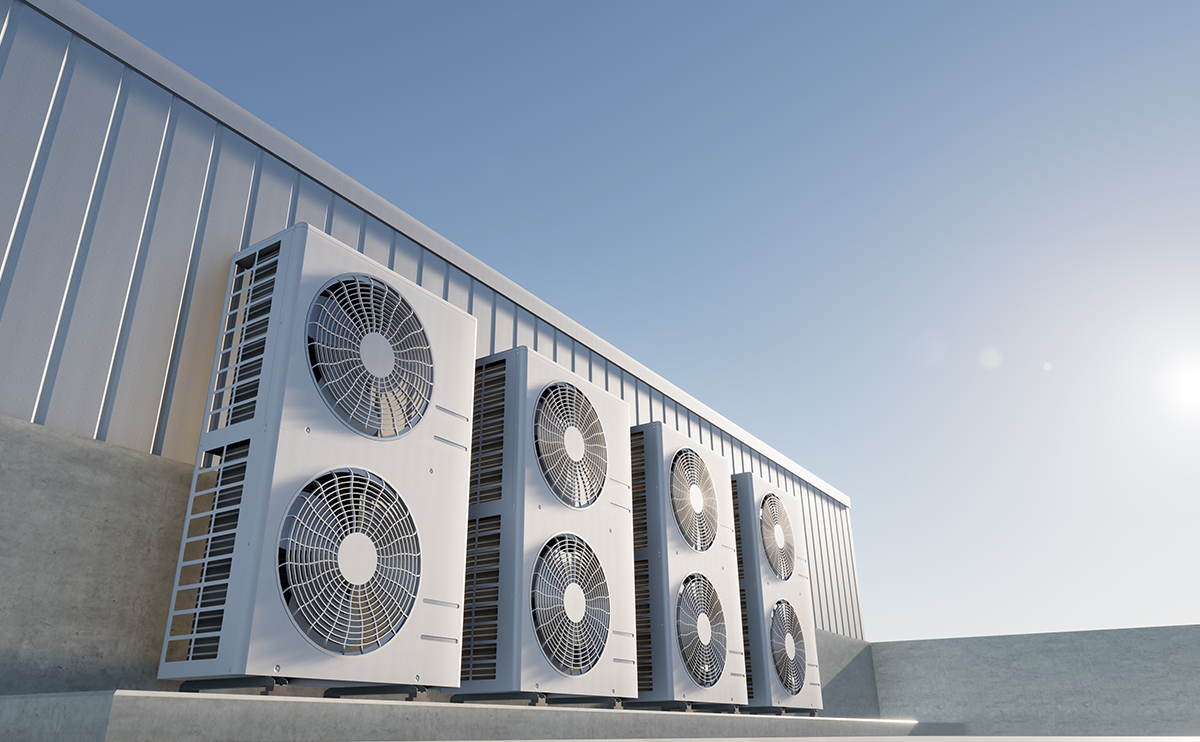
A condensing unit is an essential part of a refrigeration or air-conditioning system, designed to release the heat that has been absorbed from a cooled space, ensuring the system maintains the desired temperature and operates efficiently. It contains a compressor, condenser coil, and a fan or water system to expel heat. Put simply, it’s the ‘engine’ that powers your cooling system.
If the condensing unit is not suited to the operating environment, it can lead to:
- Higher electricity bills due to inefficiency.
- Shorter equipment lifespan because of overheating.
- Frequent breakdowns and costly repairs.
That’s why choosing the right type of unit is critical, especially in the harsh UAE climate.
Types of Condensing Units
Although various types of condensing units exist, the most widely used for commercial and industrial purposes in the UAE are air-cooled and water-cooled systems.
How They Work:
Air cooled condensing units operate by using the surrounding ambient air to lower the temperature of the refrigerant. A built-in fan forces air to flow over the condenser coil, enabling heat to dissipate efficiently. As the heat is released, the refrigerant undergoes a phase change, transforming from its gaseous state into a liquid, ready to continue the cooling cycle.
Advantages
- Lower water consumption: Ideal for UAE regions where water is scarce or expensive.
- Simpler installation: No cooling tower or complex plumbing required.
- Lower initial investment: More affordable than water-cooled systems.
- Easier maintenance: Cleaning the coils and fan is straightforward.
Disadvantages
- Reduced efficiency in extreme heat: When the air temperature rises above 45°C, cooling performance drops.
- Larger footprint: Needs adequate space for airflow and heat dissipation.
Best For:
Small to medium-sized businesses such as restaurants, supermarkets, cold rooms, and smaller industrial facilities, especially where space allows for proper ventilation.
How They Work
Water-cooled condensing units operate by using water sourced from a cooling tower or chiller to absorb and remove heat from the refrigerant. Once the water becomes warm during this process, it is cooled down again before being circulated back into the system for continued use.
Advantages
- High efficiency in hot climates: Water cooling is less affected by high air temperatures, making it more consistent in UAE summers.
- Smaller unit size: Requires less outdoor space compared to air-cooled systems.
- Longer lifespan: Operates at lower condenser temperatures, reducing wear and tear.
Disadvantages
- Higher water usage: Needs a reliable water source and treatment to prevent scaling and corrosion.
- More complex installation: Requires additional infrastructure like cooling towers, pumps, and water treatment systems.
- Higher initial cost: But may save money in the long term through better energy efficiency.
Best For:
Large commercial buildings, shopping malls, manufacturing facilities, and high-capacity cold storage where water supply is available.
Energy Efficiency Considerations in the UAE
With electricity costs being a significant operational expense, energy efficiency is not just about saving money; it’s also about sustainability. Here’s what to keep in mind:
- Ambient Temperature Performance
Select a unit rated for high ambient temperatures (up to 52°C) to ensure reliability during peak summer months.
- Compressor Technology
Scroll, screw, or inverter-driven compressors can provide better efficiency, reduced noise, and longer service life.
- Refrigerant Choice
Opt for eco-friendly refrigerants that comply with UAE’s environmental regulations, such as R-134a , R448a/R449a or new alternatives with lower global warming potential (GWP).
- Maintenance Requirements
In areas with high dust levels, air-cooled units need regular maintenance, including frequent cleaning of the condenser coils to ensure efficient heat transfer and prevent performance issues.
- Load Matching
Oversized or undersized units can waste energy. Work with an expert to calculate the correct cooling capacity for your application.
Air-Cooled vs. Water-Cooled: Which Should You Choose?
The decision often comes down to site conditions, budget, and operational priorities.
- If water is scarce or expensive, and installation simplicity is a priority, air-cooled units are usually the better choice.
- If maximum efficiency and consistent cooling are critical, especially for large-scale operations, water-cooled units are the ideal choice.
Why Choose the Right Condensing Unit Supplier in UAE
Choosing the right condensing unit isn’t just about comparing technical specs. You need a supplier who understands both the products and the unique challenges of the UAE climate.
As a leading supplier of condensing units and electrical equipment in the UAE, NASCO provides:
- Expert Consultation: Providing tailored guidance and specialized solutions carefully designed to align with your unique application requirements, operational challenges, and environmental conditions.
- Access to Global Brands: Offering a wide selection of products from leading names such as Bitzer, Guntner, Tecumseh, Danfoss, Hioki, and other globally recognized manufacturers, ensuring high quality, reliability, and performance in refrigeration and HVAC applications.
- End-to-End Service: From product selection and delivery to installation support and after-sales maintenance.
- Compliance Assurance: All equipment meets UAE and international safety and performance standards.
Final Tips for UAE Businesses
- 1. Consider more than just the initial cost: take into account energy efficiency, upkeep, and longevity.
- 2. Plan for the hottest months: choose a unit that performs well in peak summer conditions.
- 3. Schedule regular maintenance: prevent costly downtime with proactive servicing
- 4. Work with established suppliers: experience in the UAE market ensures better recommendations and support.
Conclusion
In a demanding environment like the UAE, your condensing unit must be built for high performance and durability. Whether you choose an air-cooled or water-cooled system, partnering with an expert condensing unit supplier and electrical equipment supplier is the best way to ensure long-term reliability.
With over 60 years of industry experience, NASCO Naser Al Sayer & Co.L.L.C delivers proven solutions tailored to your business needs. From premium-quality units to expert guidance and dependable support, we help you keep your operations cool, efficient, and cost-effective; no matter how hot it gets outside.
Frequently Asked Questions (FAQ)
In dusty regions, air-cooled units require frequent cleaning of condenser coils. Water-cooled units need regular water treatment to prevent scaling and corrosion. Scheduling preventive maintenance at least quarterly is recommended.
Work with an experienced supplier who can calculate the correct cooling load for your specific application. Wrong sizing can result in reduced efficiency, increased operating costs, and early equipment malfunction.
Yes. In coastal areas with high humidity, water-cooled systems often maintain efficiency better, while air-cooled units may see reduced performance during peak heat and humidity.
Dust can clog coils and reduce heat transfer efficiency. In dusty areas, frequent cleaning and the use of protective filters are essential for both air-cooled and water-cooled units.
Choose a unit with efficient compressor technology, ensure proper capacity sizing, and schedule regular servicing to keep coils and components clean.